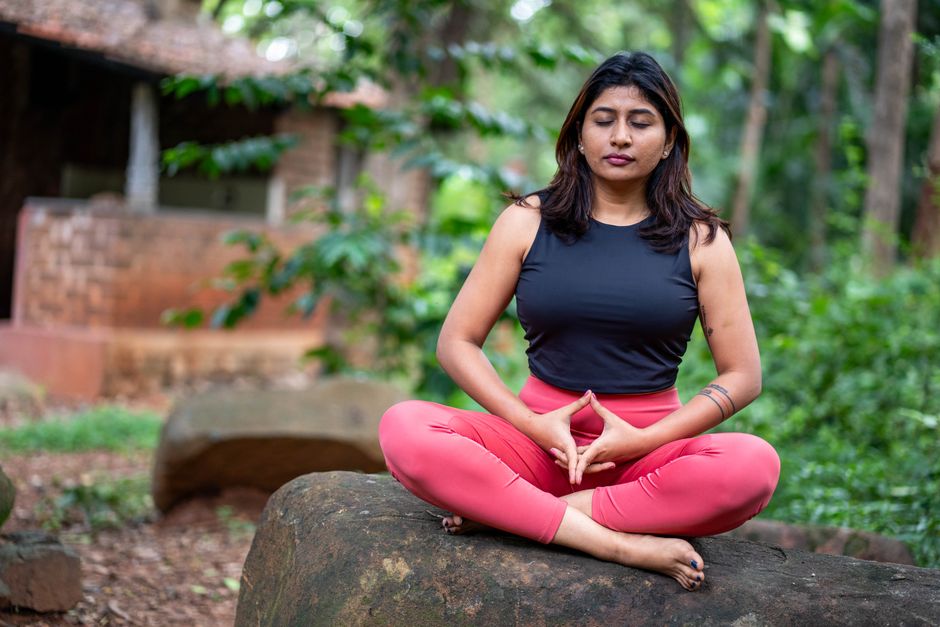
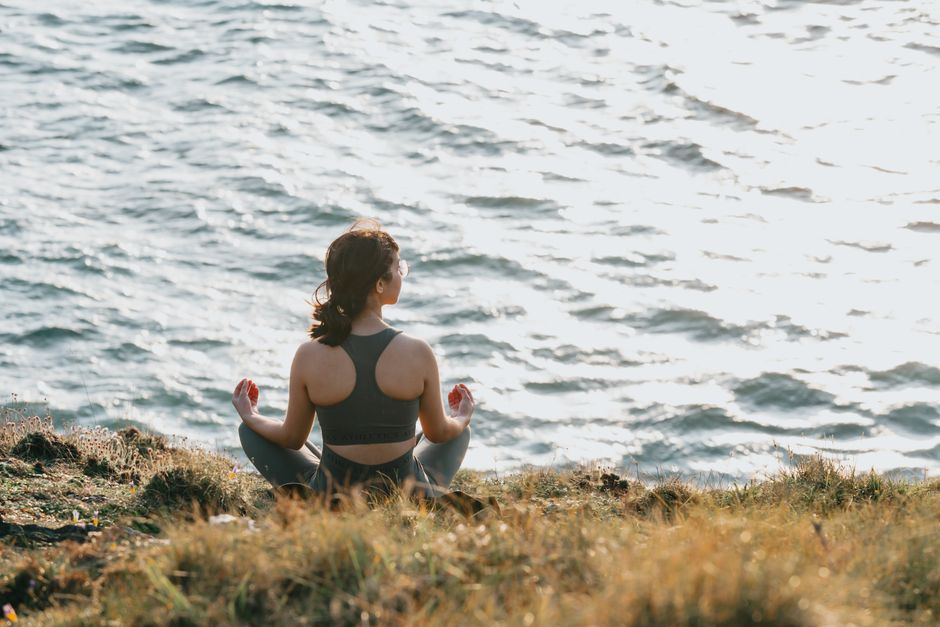
Demand for structured meditation instruction in Houston has climbed sharply enough that several local studios added new beginner sessions this spring — and waitlists at a handful of Montrose and Midtown venues stretched into June. The city's wellness infrastructure, long anchored by its dense concentration of medical institutions along the Texas Medical Center corridor, is expanding to meet an appetite that goes well beyond the yoga-mat crowd.
The timing tracks with broader national data. A 2024 Centers for Disease Control and Prevention survey found that roughly 17 percent of American adults had used meditation in the previous year, nearly triple the figure recorded in 2012. Houston's population — sprawling, diverse, and running at a pace that makes the 610 Loop feel like a metaphor — gives those numbers a local weight. Heat, traffic and economic pressure are real stressors here, and practitioners and instructors say those daily friction points are exactly what's pushing newcomers through the door.
Studios and Sit Groups Worth Your Time
Yoga Volta, tucked along Westheimer Road near the heart of Montrose, has built a devoted following for its standalone meditation workshops, which run separately from its asana classes. A six-week introductory series costs around $120 and covers breath-based techniques drawn from both Vipassana and Tibetan traditions. No yoga experience required — the studio is explicit about that in its marketing, which matters for the portion of Houston's workforce that associates meditation studios with a flexibility prerequisite they don't have.
The Houston Shambhala Center, located on Richmond Avenue, operates on a dana (donation-based) model for most of its public sits. It hosts a weekly Open House meditation every Thursday evening and an introductory weekend program called Shambhala Training Level I several times a year, typically priced at $150 to $180 with financial assistance available. The center draws from the Tibetan Buddhist lineage and is one of the older contemplative organizations in the city, having operated locally for more than two decades.
For those who prefer an outdoor setting, the Hermann Park Conservancy has quietly become a backdrop for informal group sits. A loose collective of meditators meets near the McGovern Centennial Gardens on weekend mornings — no registration, no fee, just show up before 8 a.m. on Saturdays. The informality is deliberate and reflects a philosophy that access shouldn't require a credit card.
Apps That Actually Work Alongside In-Person Practice
Digital tools have become a real complement to in-person instruction rather than a replacement for it. Insight Timer remains the strongest free option — its library includes guided sessions from Houston-based teachers, and its community feature lets users join local groups and track streaks without a subscription. A premium tier runs $60 annually as of mid-2026.
Calm and Headspace both maintain paid subscription models ($70 and $95 per year, respectively) and offer structured courses on stress reduction that several Houston corporate wellness programs — including some tied to employers in the Energy Corridor — have begun subsidizing for employees. If your company's HR portal includes a mental wellness benefit, it's worth checking whether either app is covered before you pay out of pocket.
For something more clinically adjacent, the Mindfulness-Based Stress Reduction program run through UTHealth Houston offers an eight-week course based on the Jon Kabat-Zinn protocol. The next cohort begins in September 2026. Cost runs approximately $400, though UTHealth staff and students receive a reduced rate. This is the format with the deepest research backing — dozens of peer-reviewed studies support its efficacy for anxiety, chronic pain and sleep disruption.
Getting started is less complicated than most people assume. Start with a free Thursday sit at Shambhala or a Saturday morning at Hermann Park to get a feel for group practice before committing money to a course or subscription. And if symptoms like chronic anxiety or insomnia are part of the picture, the UTHealth MBSR route connects meditation to clinical support — consult a local medical professional before treating anything serious with mindfulness alone.