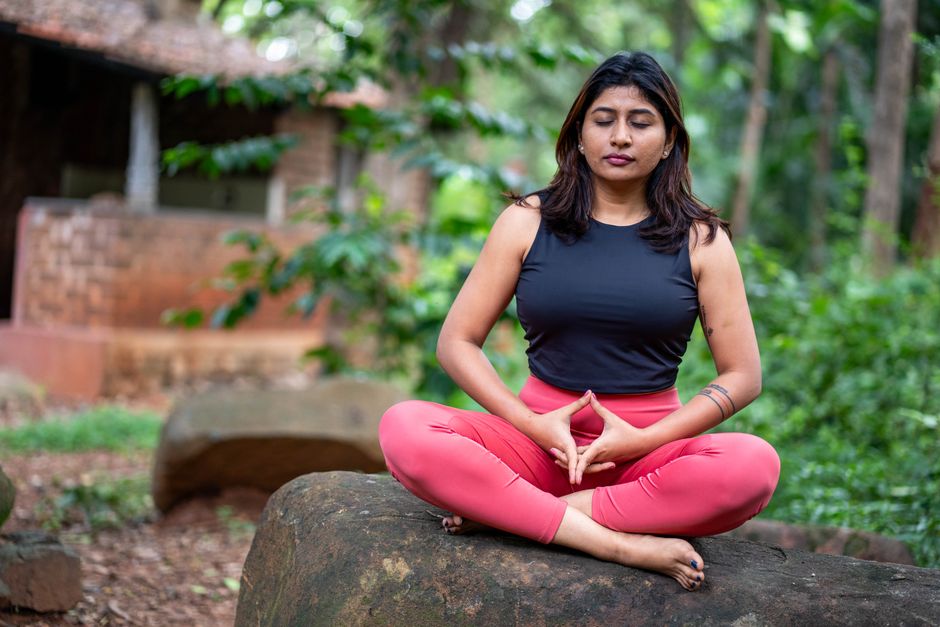
The notebook is back. Across Houston's dense wellness corridor stretching from Montrose to the Heights, studio owners, therapists, and mindfulness coaches are reporting a noticeable uptick in clients asking about journaling — not as a diary habit, but as a deliberate mental health practice. It is, for many of them, the entry point into meditation that sitting cross-legged on a cushion never was.
The timing tracks. Hormone conversations are everywhere right now — HRT, testosterone, melatonin — and so is a broader cultural reckoning with what it means to feel mentally grounded when the body is in flux. Journaling sits at that intersection: cheap, private, and backed by a growing body of research suggesting it can measurably reduce cortisol levels and improve emotional regulation within weeks. For Houstonians juggling 95-degree July heat, freeway commutes, and the particular ambient stress of a city that never really slows down, the appeal of a practice that costs $8 and fits in a lunch break is obvious.
Where Houstonians Are Already Doing This
Two local organizations have made journaling central to their programming. The Jung Center of Houston, located on Montrose Boulevard, has offered journaling-integrated workshops as part of its ongoing mind-body curriculum for years. Their August 2026 schedule includes a six-week series called "Writing the Inner Life" that pairs reflective prompts with breathwork. Spots in the last session filled in under 48 hours, according to their website.
In the Heights, Kindred Yoga on 19th Street runs a monthly Sunday morning class that closes with a 15-minute guided journaling block. Instructors there frame it as "landing the practice" — giving the nervous system a chance to process the physical session through words before participants walk back out into the noise of the day. Drop-in classes run $22. The journaling component requires nothing beyond whatever pen you have in your bag.
The evidence behind the practice is harder to dismiss than wellness skeptics might expect. A 2018 study published in the Journal of Experimental Psychology found that expressive writing reduced intrusive thoughts and improved working memory in participants dealing with anxiety — freeing up cognitive bandwidth for focus. Separately, research from the University of Texas at Austin spanning more than two decades has consistently linked regular expressive writing sessions of as few as 20 minutes to measurable improvements in immune function and psychological wellbeing. The key variable was consistency, not length.
How to Actually Begin
The mechanics matter less than most people fear. You do not need a leather-bound journal from Kendra Scott's lifestyle section or a dedicated writing desk. A $3 composition notebook from Target on Shepherd Drive works identically.
What does matter: specificity of prompt, time of day, and duration. Practitioners recommend beginning with a three-part structure. First, write one sentence describing your physical state right now — not your mood, your body. Tight shoulders, slow breath, full stomach. Second, write three sentences about what is occupying your mind without judgment. Third, write one sentence that is a genuine question you do not know the answer to. That's the session. Five minutes. Done daily for 21 days, this structure begins to function less like writing and more like a check-in with a self that otherwise gets overridden by the schedule.
Morning journaling tends to surface anxiety and plan-making. Evening journaling — which therapists in the Texas Medical Center area increasingly recommend for patients with racing minds at bedtime — tends toward processing and release. Neither window is wrong. The wrong window is the one you never actually use.
For Houstonians wanting a social entry point before committing to solo practice, The Jung Center's fall programming opens for registration July 14. Kindred Yoga posts its monthly schedule on the first of each month. A notebook and four working minutes are the only prerequisites either organization will ever ask you to bring.