Wellness
The Science Behind Mindfulness: What It Actually Does to the Brain
Neuroscientists have mapped what happens inside your skull during meditation — and Houston's wellness community is paying close attention.
4 min read
Wellness
Neuroscientists have mapped what happens inside your skull during meditation — and Houston's wellness community is paying close attention.
4 min read
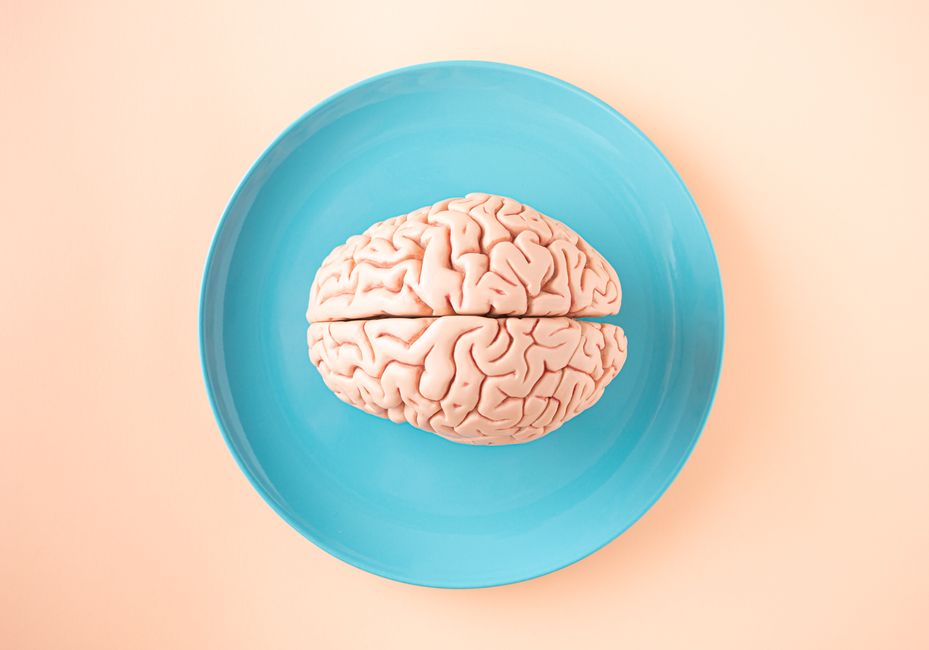
Eight weeks. That's how long researchers at Harvard Medical School found it takes for a consistent mindfulness practice to measurably thicken the prefrontal cortex — the brain region governing attention, decision-making, and emotional regulation. The finding, first published in Psychiatry Research: Neuroimaging, has quietly become one of the most cited results in behavioral neuroscience, and it's reshaping how Houston's growing wellness sector talks about meditation to skeptics.
Hormone coverage, smoking trends, and work-life burnout are all dominating health conversations nationally right now. But brain science is increasingly the lens through which wellness professionals are pitching mindfulness to the unconvinced — particularly in a city like Houston, where the medical industry employs more than 100,000 people in the Texas Medical Center alone and evidence-based language carries weight at the dinner table.
The mechanics are more specific than most Instagram posts suggest. MRI studies show that regular meditators develop reduced gray matter density in the amygdala — the brain's threat-detection center — which correlates directly with lower self-reported stress. Separately, a 2023 meta-analysis published in Neuroscience & Biobehavioral Reviews examined 78 studies and found that mindfulness-based interventions produced consistent reductions in cortisol, the primary stress hormone, across clinical and non-clinical populations. Default Mode Network activity — the mental chatter responsible for rumination and mind-wandering — drops sharply in experienced meditators, even outside formal practice sessions.
None of this requires a monastery. The same cortical changes have been documented in participants logging as few as 13 minutes per day over eight weeks, according to a 2018 study out of Northeastern University. The threshold matters because it's achievable, and local instructors lean on it hard when onboarding beginners who assume meditation demands hours of cross-legged silence.
Houston Mindfulness Center, based near the Montrose neighborhood on Westheimer Road, has structured its introductory curriculum around exactly this research. Their eight-week Mindfulness-Based Stress Reduction program — a protocol developed by Jon Kabat-Zinn at the University of Massachusetts in 1979 — runs $350 per participant and draws professionals from the Energy Corridor and the Medical Center in roughly equal measure. The center reports average class sizes of 18 people, up from 11 in 2023.
The Texas Medical Center's own employee wellness program added a weekly guided meditation session to its Wellness Hub on Bertner Avenue in January 2026, open to staff across member institutions including Houston Methodist and UTHealth Houston. Attendance hit 200 sessions logged in the first quarter alone. The program uses a body-scan format lasting 20 minutes — short enough to fit a lunch break, long enough to trigger the parasympathetic nervous system response researchers call the relaxation response.
Beyond institutional settings, studios like Midtown's Wanderlust Houston on Main Street have woven neuroscience literacy directly into their class descriptions, citing specific brain regions rather than vague claims about stress relief. A single drop-in meditation class runs $18; monthly memberships start at $65. The framing is deliberate — Houston is a data-literate city, and language about the anterior cingulate cortex moves people differently than promises of inner peace.
The practical takeaway for anyone curious about starting: consistency beats duration. Researchers emphasize that daily practice — even 10 to 15 minutes using apps like Insight Timer or structured programs through organizations like Houston Mindfulness Center — produces measurable neural changes faster than occasional longer sessions. The brain responds to repetition the same way muscle tissue responds to regular exercise. Show up most days, and the structure changes.
For Houstonians managing chronic stress from long commutes on I-10, demanding shift work at the Medical Center, or the financial anxiety rippling through households watching interest rates hold stubbornly high, that specificity matters. This isn't a lifestyle trend. It's biology. Consult a local mental health professional or physician if you're exploring mindfulness as part of managing a diagnosed condition — the science is promising, but personal circumstances vary widely.

Wellness

Wellness

Wellness

Wellness
About this article
Published by The Daily Houston
Spread the word
Daily brief
Free, in your inbox before 7am. Weekdays.
The Daily Network — local news across Australia