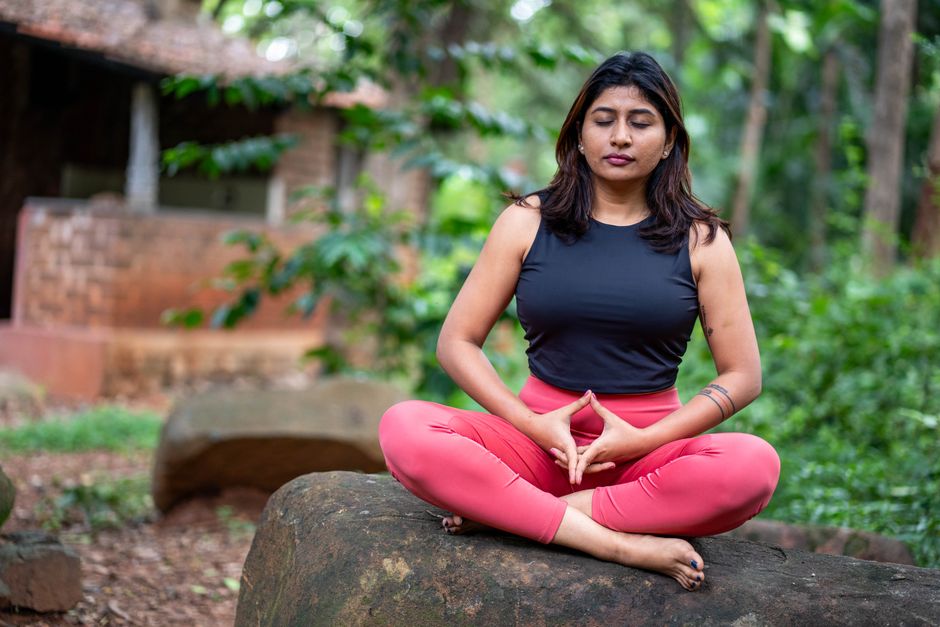
Sit still for eight weeks, 27 minutes a day, and your brain physically changes. That is not a wellness influencer's claim — it is the finding from a landmark 2011 Harvard Medical School study that measured cortical thickness in participants who completed a Mindfulness-Based Stress Reduction program. The gray matter in the hippocampus, the region tied to learning and emotional regulation, measurably thickened. The amygdala, the brain's alarm system, shrank.
That study has since been replicated, challenged, refined and built upon. Neuroscientists now broadly agree that sustained meditation practice rewires neural pathways through a process called neuroplasticity — the brain's ability to reorganize itself. What is still actively debated is how much meditation is enough, what kind works best, and whether the benefits hold for people who aren't Tibetan monks with 10,000 hours logged.
For Houston, a city of 2.3 million people where the Texas Medical Center employs more than 106,000 workers and stress-related illness ranks among the top drivers of emergency department visits at facilities like Memorial Hermann and Houston Methodist, those questions land close to home. Hormonal disruption, chronic inflammation, and anxiety disorders are not abstract — they fill waiting rooms from the Heights to Sugar Land.
What Actually Happens Inside the Skull
Three brain changes show up consistently in the peer-reviewed literature. First, regular meditators show reduced activity in the default mode network — the system responsible for mind-wandering and self-referential rumination, the kind of looping thought that drives anxiety. Second, the prefrontal cortex, which governs executive function and emotional regulation, shows stronger connectivity with the amygdala, meaning the rational brain gets a louder voice when stress hits. Third, telomere length — a biological marker of cellular aging — appears longer in long-term meditators than in matched controls, according to a 2013 paper published in the journal NeuroImage.
None of this requires years of practice to begin. A 2018 study out of Carnegie Mellon University found that just three days of mindfulness training — 25 minutes per session — reduced cortisol levels and self-reported stress in participants who had never meditated before. The threshold for measurable brain change appears lower than previously assumed.
Where Houston Is Putting This Into Practice
Several Houston institutions are taking the research seriously. The UTHealth Houston Center for Integrative Medicine, located near the Texas Medical Center on Holcombe Boulevard, has run certified Mindfulness-Based Stress Reduction courses since 2019. An eight-week program currently runs $395, with sliding-scale options available. Separately, the Midtown location of Glo Yoga and Meditation on Travis Street offers drop-in meditation sessions starting at $18, drawing a mix of medical professionals from the nearby hospital district and Montrose-area residents.
The Houston Independent School District piloted a mindfulness curriculum at five Title I elementary schools in the 2024-2025 academic year, partnering with the nonprofit Mind Matters Houston, which is headquartered in the Third Ward. Early internal assessments reportedly showed a 21 percent reduction in disciplinary referrals at the pilot campuses, though peer-reviewed publication of those results has not yet occurred.
The appeal cuts across demographics. Studios in River Oaks cater to corporate professionals seeking stress management tools; community centers in Gulfton are running low-cost Spanish-language sessions aimed at immigrant families dealing with economic pressure.
For anyone considering starting, the evidence points toward consistency over intensity. Short daily sessions — even 10 to 15 minutes — appear more effective than occasional long ones. Apps like Insight Timer offer free guided sessions that align with the formats used in published research. The UTHealth program remains one of the few Houston options where instruction is led by clinically trained facilitators rather than general wellness coaches.
One caution worth keeping in mind: mindfulness is not a substitute for psychiatric or medical care. Anyone dealing with trauma, depression, or anxiety disorders should speak with a licensed provider — a primary care physician or a mental health professional at a place like the Menninger Clinic on Fannin Street — before treating meditation as a standalone intervention. The brain changes are real. So is the need to get professional guidance on what they mean for any individual.