Wellness
Journaling as a Mindfulness Tool: How to Start
Houston's wellness community is turning to pen and paper as a surprisingly powerful antidote to the city's relentless pace — and the barrier to entry is lower than you think.
4 min read
Wellness
Houston's wellness community is turning to pen and paper as a surprisingly powerful antidote to the city's relentless pace — and the barrier to entry is lower than you think.
4 min read
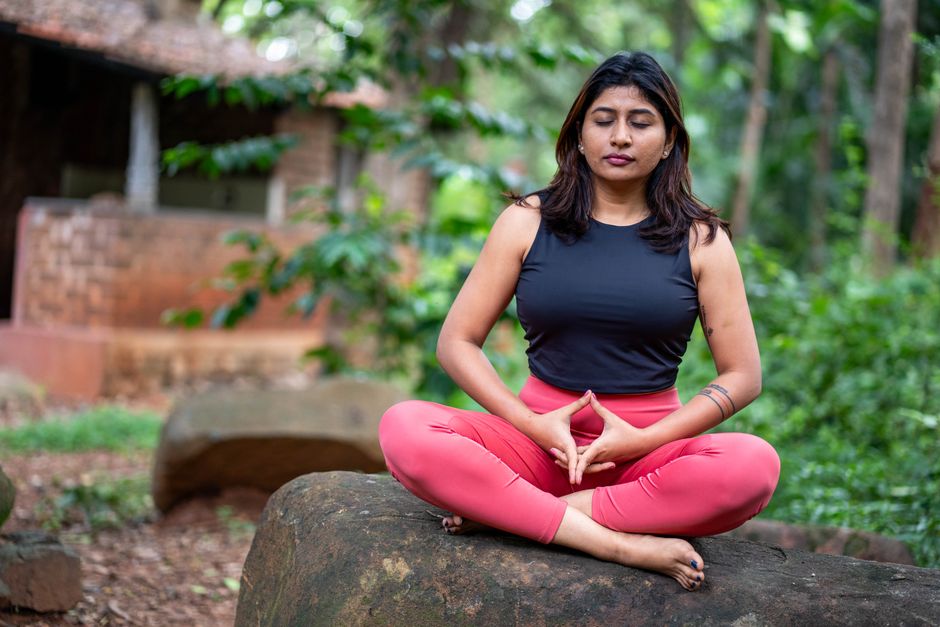
You don't need a meditation cushion, a yoga mat, or a studio membership. A $4 spiral notebook from Walgreens and fifteen minutes before the morning commute may be the most underrated mental-health habit in Houston right now. Journaling — the practice of writing freely and deliberately as a form of self-reflection — has moved well beyond teenage diary territory. Mindfulness practitioners, therapists, and workplace wellness programs across the city are prescribing it as a first-line tool for stress reduction, emotional clarity, and mental resilience.
The timing matters. Houston consistently ranks among the most stress-burdened metros in the country, a consequence of punishing summer heat, traffic gridlock on I-10 and the 610 Loop, and an economy that demands constant output from its energy, healthcare, and tech sectors. A 2024 American Psychological Association survey found that 77 percent of Americans report physical symptoms caused by stress — and that number tracks higher in high-density urban centers. Mental health providers here say demand for accessible, low-cost coping tools has only grown since then, particularly among Houstonians in the 25-to-44 age bracket who are juggling career pressure with financial uncertainty in a housing market that has cooled but not calmed.
The journaling-as-mindfulness movement has found a real foothold in Houston's Third Ward and Montrose neighborhoods. Kindred Yoga, on Dunlavy Street in Montrose, incorporates five-minute guided journaling prompts at the close of certain evening classes — a practice the studio introduced in January 2026 after member feedback pointed to anxiety and mental chatter as the primary barriers to meditation. Participants receive a single open-ended prompt, something like "What am I carrying that isn't mine?" and are given silence to write before savasana.
Across town, the Harris Center for Mental Health and IDD — which operates more than 70 service locations across Harris County — began integrating expressive writing into its community wellness workshops in the fall of 2025. The program, part of the Center's broader prevention-and-early-intervention strategy, targets residents who may not have access to or insurance coverage for traditional therapy. Attendance at those workshops grew by roughly 30 percent between October 2025 and March 2026, according to publicly available program data from the Center.
The East End Makers Hub on Navigation Boulevard hosted a sold-out "Mindful Pages" workshop in May — $18 per seat, led by a licensed professional counselor — that drew 42 participants in a single afternoon session. A second date is already booked for August 9.
The evidence for journaling's psychological benefits is more robust than its reputation suggests. A study published in the Journal of Experimental Psychology found that "expressive writing" — unfiltered, emotionally honest prose — reduced intrusive thoughts and freed up working memory, effectively quieting the mental noise that blocks focus. A separate 2018 clinical trial out of Michigan State University linked consistent journaling over a four-week period to measurable decreases in self-reported anxiety scores among college students.
The catch is consistency, and that's where most people stumble. Wellness practitioners in Houston advise starting with a strict time cap — eight minutes maximum — to prevent the practice from feeling like homework. Morning is the preferred window, before email and news can frame the day's anxieties. The format is irrelevant: bullet points, full sentences, fragments. What matters is the habit of honest, undirected attention turned inward.
A few practical anchors help. Dating each entry creates a longitudinal record that becomes genuinely useful over months. Beginning with a body-scan prompt — "Where am I holding tension right now?" — grounds the writing in physical sensation rather than abstract rumination. Apps like Day One offer digital alternatives for Houstonians who commute by Metro Rail and want to write on the go, though therapists generally note that handwriting produces a slightly slower, more reflective quality of thought.
The notebook costs four dollars. The fifteen minutes is yours to claim. Anyone looking for structured support should reach out to a licensed mental health professional in Harris County — the Harris Center helpline runs 24 hours at 713-970-7000 — but the starting point requires nothing more than showing up to the page.
About this article
Published by The Daily Houston
Spread the word
Daily brief
Free, in your inbox before 7am. Weekdays.
The Daily Network — local news across Australia