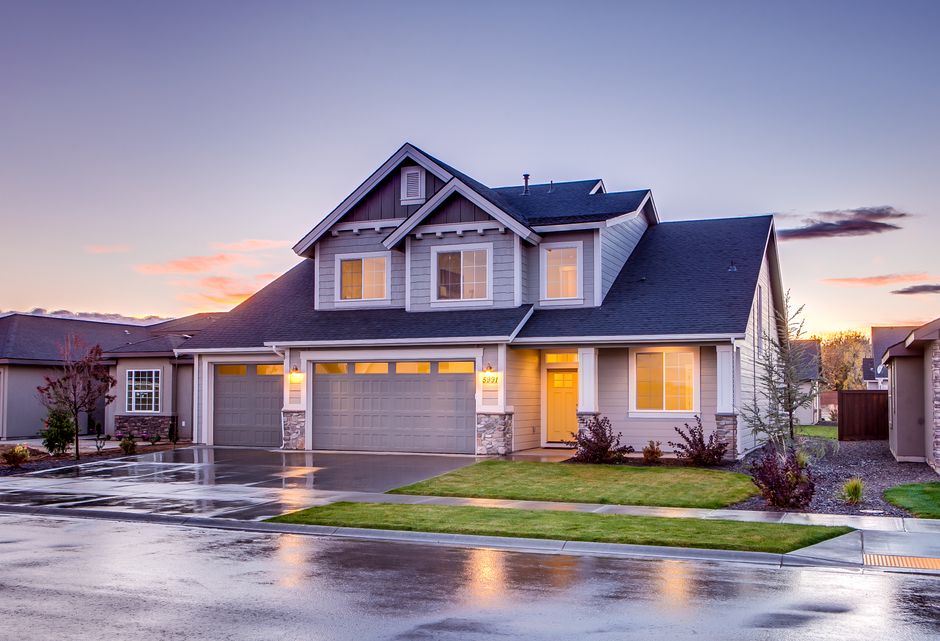
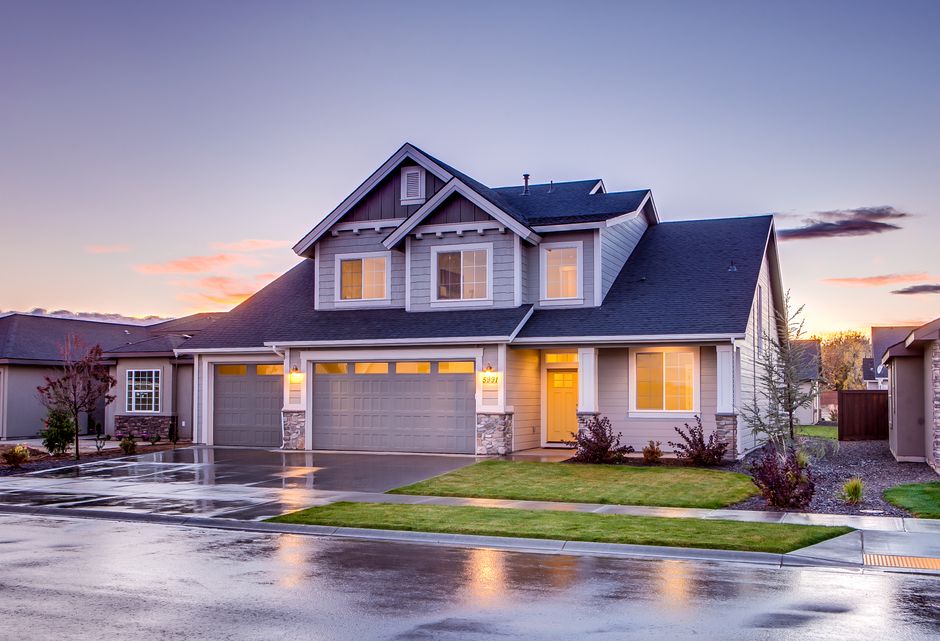
Faced with surging home prices almost everywhere inside the Beltway, Houston buyers continue to flock to Bellaire—drawn by its idyllic streets, “A”-rated schools, and a median home price that, while lofty, still lags behind some trendier Inner Loop neighborhoods.
In 2026, as wage growth struggles to keep pace with the cost of living and erratic storms rattle Houston’s market nerves, the hunt for stability and investment-grade value has rarely been more pressing. Bellaire, with its tidy grid of oak-canopied streets and June’s average list price hovering just north of $890,000, is one of the city’s last blue-chip suburbs where long-term upside still looks healthy.
The city’s investment in infrastructure, including street drainage upgrades underway this summer along Newcastle Drive, has reassured would-be buyers worried about climate resilience. Bellaire High School, part of Houston ISD but located in the heart of the suburb, remains a drawcard for families determined to secure both quality education and lasting resale value.
The Numbers Behind the Neighborhood
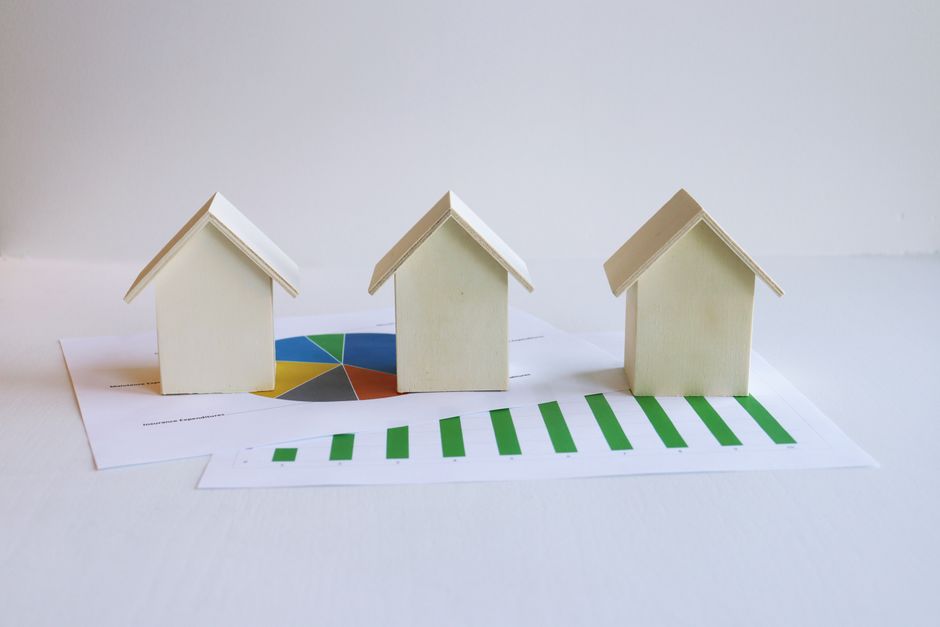
Bellaire’s average sale price per square foot stood at $362 in June 2026, a 7.2% rise year-on-year according to data from Houston Association of Realtors (HAR). That’s strong, but notably, still below West University Place, its even pricier neighbor, where prices have cracked $480 per square foot this summer. Inventory in Bellaire ticked up slightly this quarter with 59 active single-family listings as of July 1, giving buyers more time and choice than in much of the Inner Loop, where competition for turnkey homes remains fierce.
“Bellaire continues to offer value compared with Memorial or River Oaks, especially for buyers willing to consider remodels north of Jessamine Street,” one prominent local agent told The Daily Houston off-record, nodding to the zone’s patchwork of older properties and new builds. Recent sales at the 4900 block of Fern Street hovered in the $1.0–$1.2 million range, while a rare tear-down opportunity on Maple Street just closed at $595,000 in late June, showing there’s still an entry point for investors.
For landlords, Bellaire remains a draw: single-family rental yield clocks in around 4.1%; not spectacular, but steady considering the neighborhood’s historic appreciation rate.
What Buyers Need to Know Now
Market watchers predict that while Bellaire prices are likely to inch upward in the second half of 2026, the rate of increase will be moderate compared to pockets of rapid gentrification elsewhere. Digging into the details—like forthcoming zoning changes or flood abatement efforts near South Rice Avenue—will be key for buyers seeking that elusive mix of safety and upside potential.
For those with the means, Bellaire still stands as a rare find: a blue-chip Houston suburb where it’s possible to buy a home that will likely reward patience and prudence—even as surrounding neighborhoods price out the next generation of would-be owners. For now, at least, the investment logic behind Bellaire remains as sturdy as its hundred-year-old oaks.